Share this article
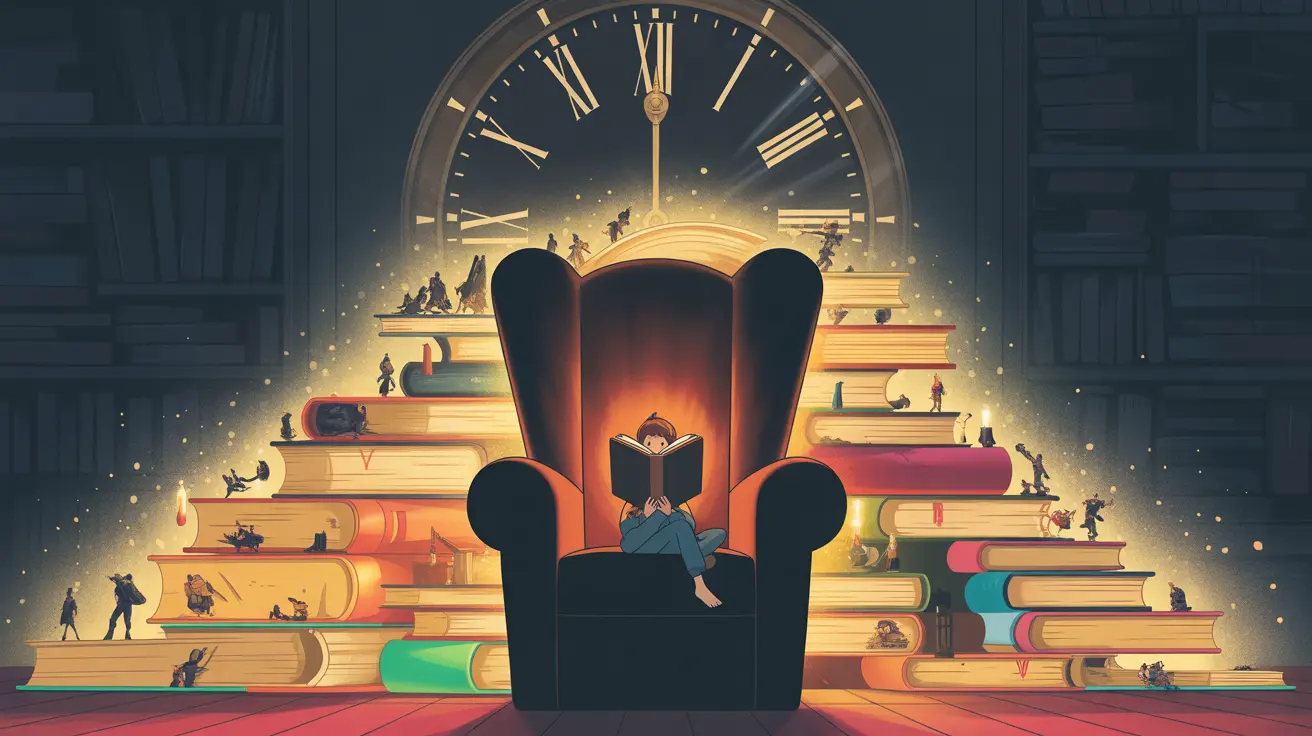
The generation that was supposed to kill reading has turned out to be its most passionate defender.
Gen Z — born between 1997 and 2012, raised on smartphones, algorithmic content, and the premise that attention spans were collapsing — reads more than any other generation currently tracked. Over 80% say they read a book in the past year, the highest percentage of any age group surveyed. In the UK, readers aged 13 to 24 account for 18% of the entire book market. And they’re buying physical books — print, not ebooks — at a rate that has caught an entire industry off guard.
The question isn’t why Gen Z reading habits are changing. It’s why we ever thought they’d stopped.
The Panic Was Always Wrong
The “Gen Z doesn’t read” narrative rested on a specific kind of evidence: they weren’t using bookstores the way previous generations did. They weren’t checking out the same titles from libraries. They weren’t reading the way their parents had. So the conclusion followed — they weren’t reading.
But this confused the medium with the behavior. Gen Z wasn’t not reading. They were reading differently — on phones, in snippets, across formats. The panic about their attention spans was less about attention and more about the fact that their attention wasn’t going where previous generations expected.
What changed in the past five years isn’t Gen Z. What changed is the ecosystem around books. A global pandemic gave an entire generation a reason to slow down. And BookTok gave reading a social infrastructure it had never had before.
What BookTok Actually Did
BookTok — the reading community on TikTok — has accumulated more than 80 billion hashtag views. Almost two-thirds of 16 to 25-year-olds in a Publishers Association poll of over 2,000 people said BookTok or book influencers helped them discover a passion for reading. Sixty-eight percent said BookTok inspired them to read a book they wouldn’t have otherwise picked up. Forty-nine percent went to physical bookstores to buy those books.
Not marginal numbers. But the mechanics matter more than the scale. BookTok didn’t function like an ad campaign. It functioned like peer recommendation at scale — someone crying over a book, someone raving about a plot twist, someone showing annotated and tabbed pages. The videos feel personal, not promotional. That authenticity is what made them work.
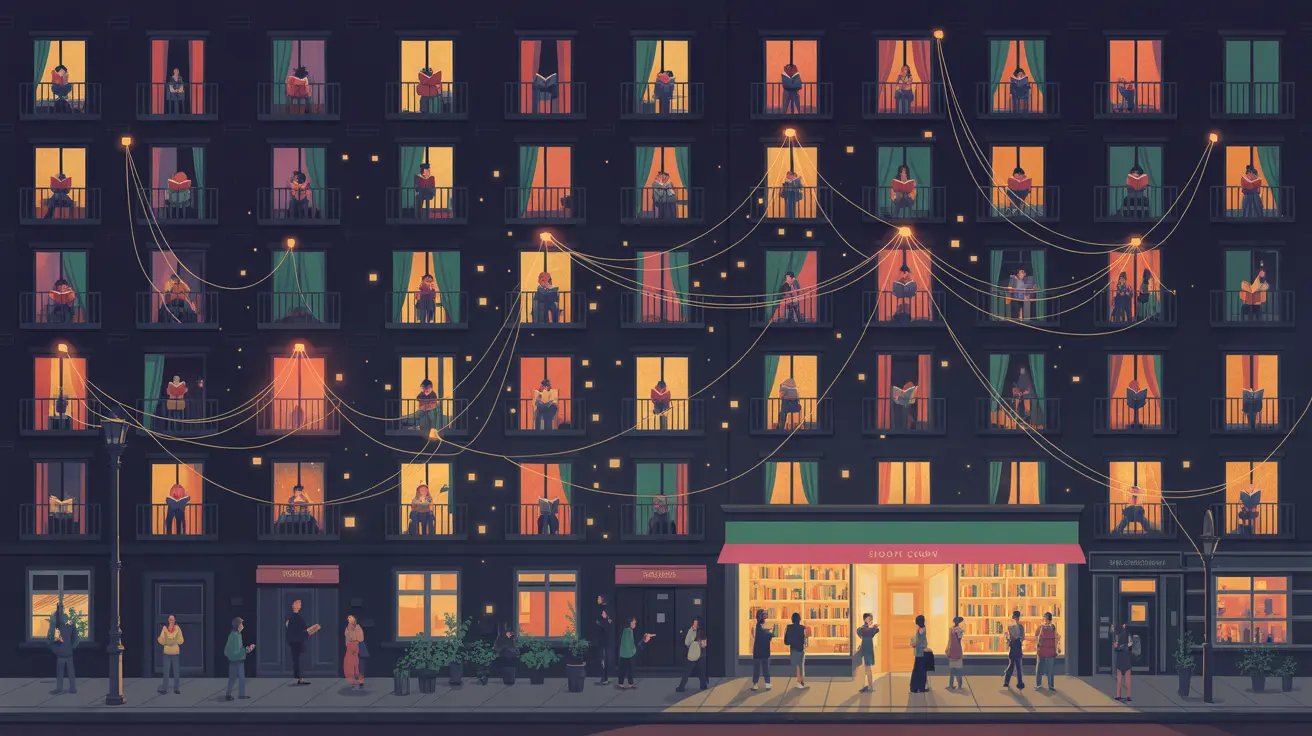
Reading, for previous generations, was often private — something done alone, discussed occasionally at book club, not especially social beyond that. BookTok made it public, emotional, and communal. You could discover a book, watch someone cry about it, buy it, read it, and post your own response — all within a week. The social feedback loop that keeps people on social media was, for the first time, systematically applied to books.
It worked. Barnes & Noble opened more than 55 locations in 2024 after years of contraction. UK publishing hit £6.9 billion in total sales — the highest ever recorded — with 669 million books sold. Publishers are reporting sales increases of up to 220% for BookTok-recommended titles.
The Physical Book Paradox
Here’s the counterintuitive part: Gen Z is choosing print books over ebooks at a rate that defies every assumption about digital natives.
Almost 70% of US respondents aged 18 to 29 said they read print books in a Pew Research survey, compared to 42% who read ebooks. In the UK, Nielsen BookData found print accounted for 80% of book purchases in the 13 to 24 age group. Only 14% of their spending goes to ebooks.
Why? The answers Gen Z readers give are consistent. Eye strain is real — they spend their entire working and social lives on screens, and a physical book is genuinely restful. Focus is easier without notifications, tabs, and algorithms competing for the same attention. And then there’s something harder to quantify: books as identity.
A physical book is visible in a way an ebook isn’t. You can see it on someone’s shelf, in their hands on the metro, in the margins with their annotations. Gen Z has turned annotating and tabbing books into an aesthetic practice — color-coded tabs, highlighted passages, reading setups photographed for BookTok. Special editions are bought as objects as much as texts.
Reading has become, for many Gen Z readers, a deliberate counterstatement. A choice to disengage from the algorithm and spend time with something that doesn’t ask anything of you except attention.
The Genres Surprising Everyone
Gen Z doesn’t read predictably. They’re the most genre-diverse readers on record. Fantasy and romantasy have surged — Rebecca Yarros’s Fourth Wing went viral on BookTok in 2023 and generated thousands of library holds overnight. But alongside that boom: classic literature has had a genuine revival.
“Dark academia” — old libraries, vintage paperbacks, moral ambiguity in canonical fiction — became a significant Gen Z cultural movement. Donna Tartt’s The Secret History, published 1992, became a BookTok obsession. Books from 2013 became 2023 bestsellers because one well-placed TikTok changed their entire trajectory.
The premise that young readers only want contemporary, accessible content turned out to be wrong. Gen Z wants stories that matter to them. Sometimes those are 200 years old.
This matters for classic literature specifically: Gen Z wants to read the canon. The barrier has rarely been desire. It’s usually access — finding the book, understanding the context, or getting past language that creates distance between reader and story. That gap is exactly what Dreamsquare’s modernized editions are built to close: the complete story, the preserved themes, the language updated for readers who want the experience without the linguistic friction.
What This Tells Us
Reading never stopped being valuable. What was missing was relevance and community — the sense that reading was something you did with other people, something that connected you to a wider conversation, something worth sharing.
BookTok provided the community. The pandemic provided the stillness. Digital fatigue provided the argument for print. And the books provided what they’ve always provided: the experience of being inside someone else’s mind for a few hours and coming out changed.
Gen Z’s reading habits don’t suggest a generation that discovered books late. They suggest a generation that found a way to read that made sense for their context — social, physical, aesthetic, emotionally open. And that way of reading is driving numbers that hadn’t been seen in decades.
The generation that was supposed to kill reading has rebuilt it into something more communal, more emotional, and more visible than it’s been in years.
The question was never if they’d read. It was always what they were waiting for.
FAQ
Is Gen Z reading more or less than previous generations? More. Over 80% of Gen Z reported reading a book in the past year — the highest percentage across all age groups in Pew Research data. In the UK, readers aged 13–24 account for 18% of the entire book market, and 55% of Gen Z report reading at least once a week.
Why did Gen Z reading habits change so dramatically? Three factors converged: BookTok provided a social infrastructure that made reading communal and discoverable; the pandemic created space to slow down and seek depth; and digital fatigue made physical books a genuine alternative to screens. The reading was always there — what changed was the ecosystem around it.
Why does Gen Z prefer physical books over ebooks? Gen Z cites eye strain from constant screen time, better focus without digital distractions, and the aesthetic and identity value of physical books. Owning, annotating, and displaying books has become a form of self-expression. Almost 80% of book purchases in the UK 13–24 age group are print, compared to 14% ebook.
Are Gen Z readers interested in classic literature? Yes. The “dark academia” aesthetic — old libraries, vintage paperbacks, canonical fiction — became a major Gen Z cultural movement. BookTok has driven viral interest in classics and decades-old titles alongside contemporary fiction. The barrier for most young readers isn’t desire but language accessibility — which modernized editions of classic texts are designed to address.
Stay in the loop
Get notified when we publish new stories about books, storytelling, and the magic of reading.
Stay in the loop
Get notified when we publish new stories about books, storytelling, and the magic of reading.