What Is Theatre Mode? The Audiobook Experience Explained
Dreamsquare Team
Share this article
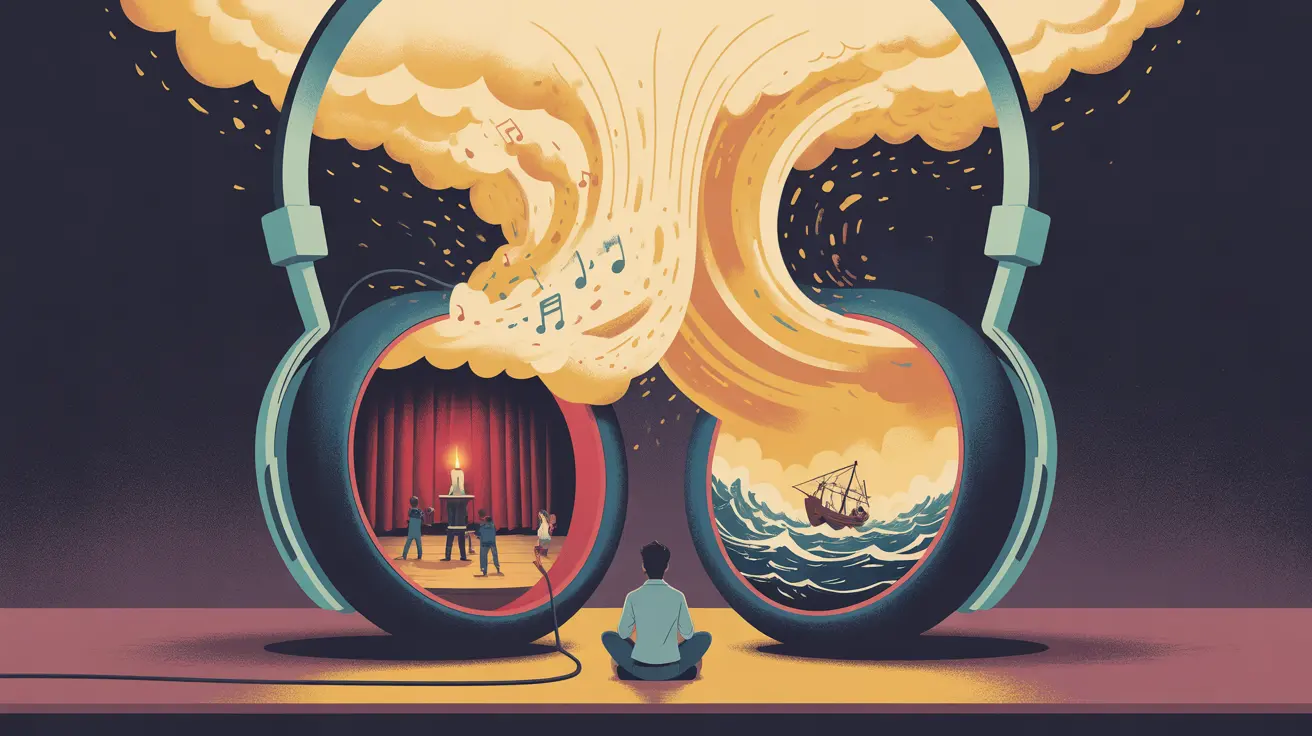
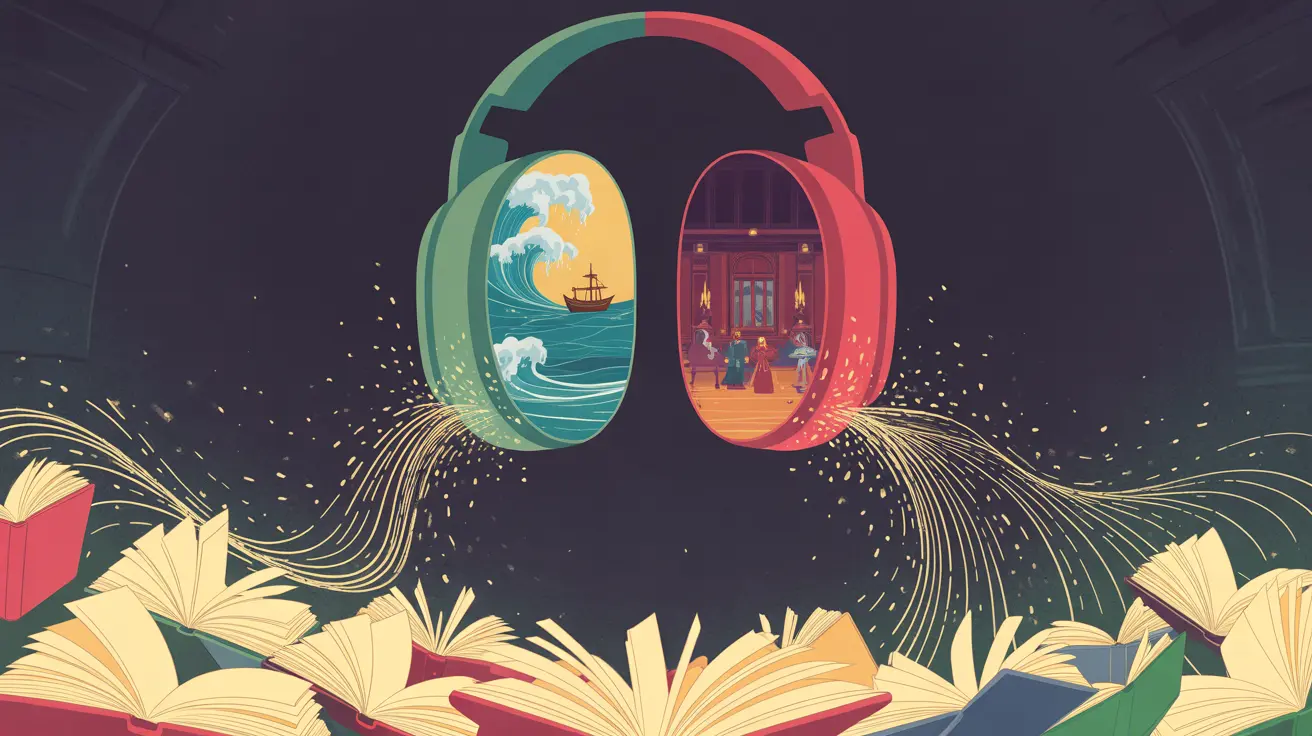
Theatre Mode is an audiobook production format that combines multi-voice casting, cinematic sound design, and ambient scoring to turn a book into a performed experience. Dreamsquare developed the term to describe a specific production tier — one that goes beyond full-cast narration and past simple dramatization. In a theatre mode audiobook, the original text stays intact. Nothing gets rewritten for performance. The production wraps around the words instead: voice actors bring each character to life, sound designers build the world you hear, scored passages guide the emotional rhythm chapter by chapter.
The audiobook industry doesn’t lack formats. It lacks clear labels. Most listeners know two modes: one person reads a book aloud, or several people do. The real spectrum is wider than that, and the gaps between each tier aren’t cosmetic — they reshape what it actually feels like to listen.
The Format Spectrum: From Narration to Theatre Mode
A single-narrator audiobook is one voice performing an entire book. Still how most audiobooks get made. One actor handles every character, every aside, every description. The best solo narrators — Jim Dale voicing over 300 characters across the Harry Potter series — pull off remarkable range from a single chair. But the format is, by design, a reading. You’re hearing a book spoken aloud. Nothing more.
Full-cast audiobooks assign different actors to different characters. Dialogue tags get stripped — no more “he said,” “she replied.” When two characters talk, you hear two people. It’s sharper than solo narration. The Audio Publishers Association found that 55% of listeners prefer distinct voices per character. Makes sense. But a full-cast audiobook is still a reading. Multiple people, same foundation. No sound design. No ambient layer. No score.
Dramatized audiobooks go further. They add sound effects, music, environmental audio. A door doesn’t just appear in a sentence — it creaks. Rain doesn’t get described — it falls around you. Graphic Audio has been doing this for over 20 years. Audible’s take on Neil Gaiman’s The Sandman sits in this tier too. The result tilts toward radio play. Toward audio drama. Away from book.
And then there’s Theatre Mode. Like dramatized productions, it uses multi-voice casting, sound design, and music. But the structural principle differs. Dramatized audiobooks often adapt the source text into a script. Theatre Mode doesn’t. The book stays a book. The author’s literary voice holds the center. What changes is everything surrounding it — the sonic environment that makes the story three-dimensional.
A full-cast audiobook gives you voices. Theatre Mode gives you a world.
Inside a Theatre Mode Production
Building a theatre mode audiobook is a layered process. No single element carries it.
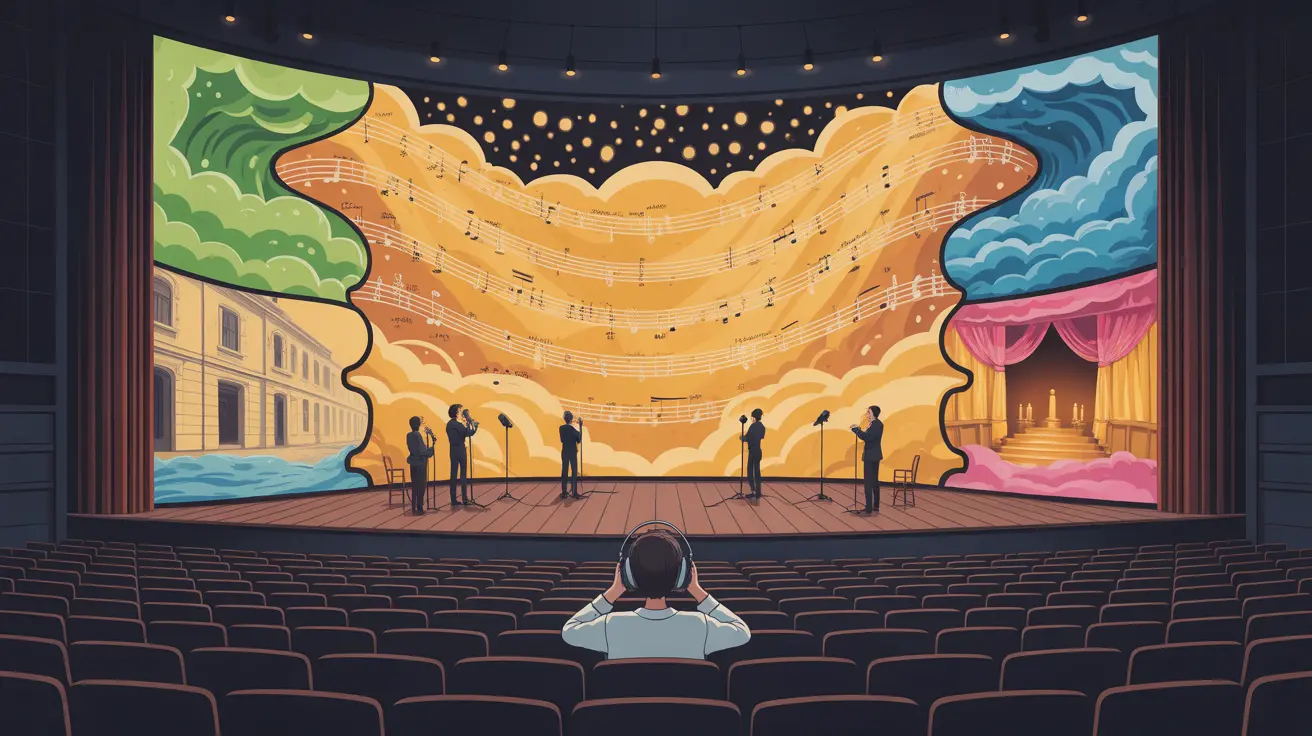
The voice layer comes first. Actors get cast not just for a distinct sound, but for tonal fit. A brooding protagonist doesn’t simply need a low register — they need someone who understands pacing. Silence. The weight of a line left hanging. Actors typically record separately, giving producers precise control during the mix. The final product sounds like a conversation, but it’s built from independent takes stitched together with surgical care.
Sound design is next. This isn’t stock effects dropped onto a timeline. Designers build each scene from scratch. Footsteps on gravel. The hum of gas lamps on a Victorian street. Distant bells marking the hour. Every element placed with intent — to anchor the listener, not impress them.
Here’s what most people miss about immersive audiobooks: the average listener tolerates about two minutes of looped ambient audio before it turns distracting. Two minutes. That’s it. Theatre Mode productions dodge this with evolving soundscapes. The rain doesn’t just start and hold — it builds, shifts, thins as the scene moves. Every scene gets its own sonic fingerprint.
Ambient scoring is the third layer. Not background music humming under every page. Composed or selected for specific story beats — tension coiling before a reveal, quiet keys through an intimate scene, actual silence when the text demands it. The score tracks the story’s emotional architecture. Not the reverse.
Then mixing and mastering. All three layers need to land across every playback device. What sounds rich on studio monitors has to translate to earbuds on a 7 a.m. commute. That balance separates an immersive audiobook from a wall of competing noise.
What Theatre Mode Is Not
Wrong assumptions lead to wrong expectations. So.
Theatre Mode is not an audio drama. Audio dramas rewrite source material into scripts. Characters speak, a narrator fills gaps, production drives pacing. Theatre Mode keeps the author’s prose. Descriptions and interior monologue get narrated. Dialogue gets performed. The book’s structure doesn’t bend to fit a dramatic mold.
It’s not a podcast either. Not serialized by default. Not conversational. Not built for a weekly drip. It’s a complete book, produced as a complete audiobook, with production standards most of the market doesn’t touch.
And it’s not AI voices stacked on stock sound effects. AI-narrated audiobooks have grown 36% year-over-year and now make up nearly a quarter of new releases. Some work fine for straightforward nonfiction. But theatre mode audiobooks demand human performance. The breath between words. The interpretive choices packed into a single line. Text-to-speech doesn’t replicate that. Not yet.
Okay — here’s the part that surprises people: bad sound design is worse than no sound design at all. A single-narrator audiobook with a great actor will always beat a sloppy immersive production where effects compete with words and the ambient layer loops like elevator music. Theatre Mode works precisely because every production choice serves the text. The moment it stops serving, it breaks.
Who Theatre Mode Is For
You’ve tried a single-narrator audiobook. Found it flat — not terrible, just flat. But you don’t want an audio drama that rewrites the book into something else entirely. Theatre Mode lives in the gap between those two.
It’s for listeners who want atmosphere without losing the book. Who want to feel a setting instead of just picturing it. Who read with their ears and expect the same depth they get from ink on paper — delivered differently.
It’s also for people jumping from physical books to audio for the first time. The engagement gap between reading and listening to a solo narrator can feel huge. Multi-voice audiobooks with layered sound design close it. They give your brain texture to hold onto.
Dreamsquare builds its audiobooks in Theatre Mode because the format fits what the platform stands for: stories that feel alive. Not through gimmicks — through production that gives the text room to land the way the author wrote it.
The audiobook market is projected to hit somewhere between $14 and $56 billion by the early 2030s, depending which forecast you read. That growth won’t come from existing fans alone. It’ll come from people who haven’t found the right listening format yet. Theatre Mode is built for them.
Frequently Asked Questions
What is the difference between Theatre Mode and a full-cast audiobook?
A full-cast audiobook uses multiple voice actors to perform different characters, but the production stops there — no sound effects, no ambient audio, no musical score. Theatre Mode takes multi-voice casting as the starting point and layers in sound design, ambient scoring, and evolving soundscapes. The original text stays intact in both formats, but Theatre Mode turns the experience from a performed reading into a sonic environment built around the story.
Are Theatre Mode audiobooks the same as dramatized audiobooks?
Not quite. Dramatized audiobooks often rewrite or adapt the source text into a script, leaning closer to radio plays. Theatre Mode keeps the author’s original prose and narrative structure. The production supports the text rather than replacing it — you still hear descriptions, interior monologue, and the literary voice of the writer, surrounded by professional sound design and scoring.
Where can I listen to Theatre Mode audiobooks?
Theatre Mode is a production format developed by Dreamsquare. You can find Theatre Mode audiobooks on the Dreamsquare platform, where titles are produced with multi-voice casting, cinematic sound design, and ambient scoring as standard.
Stay in the loop
Get notified when we publish new stories about books, storytelling, and the magic of reading.
Stay in the loop
Get notified when we publish new stories about books, storytelling, and the magic of reading.