What Is a Microdrama? Everything About the $11 Billion Mobile Entertainment Industry
Dreamsquare Team
Share this article
In 2025, a format most people couldn’t name generated $11 billion in global revenue. Nearly double the entire FAST channel market. More than China’s domestic box office. And you can watch it with the thing already in your pocket.
That format is the microdrama.
What is a microdrama, exactly?
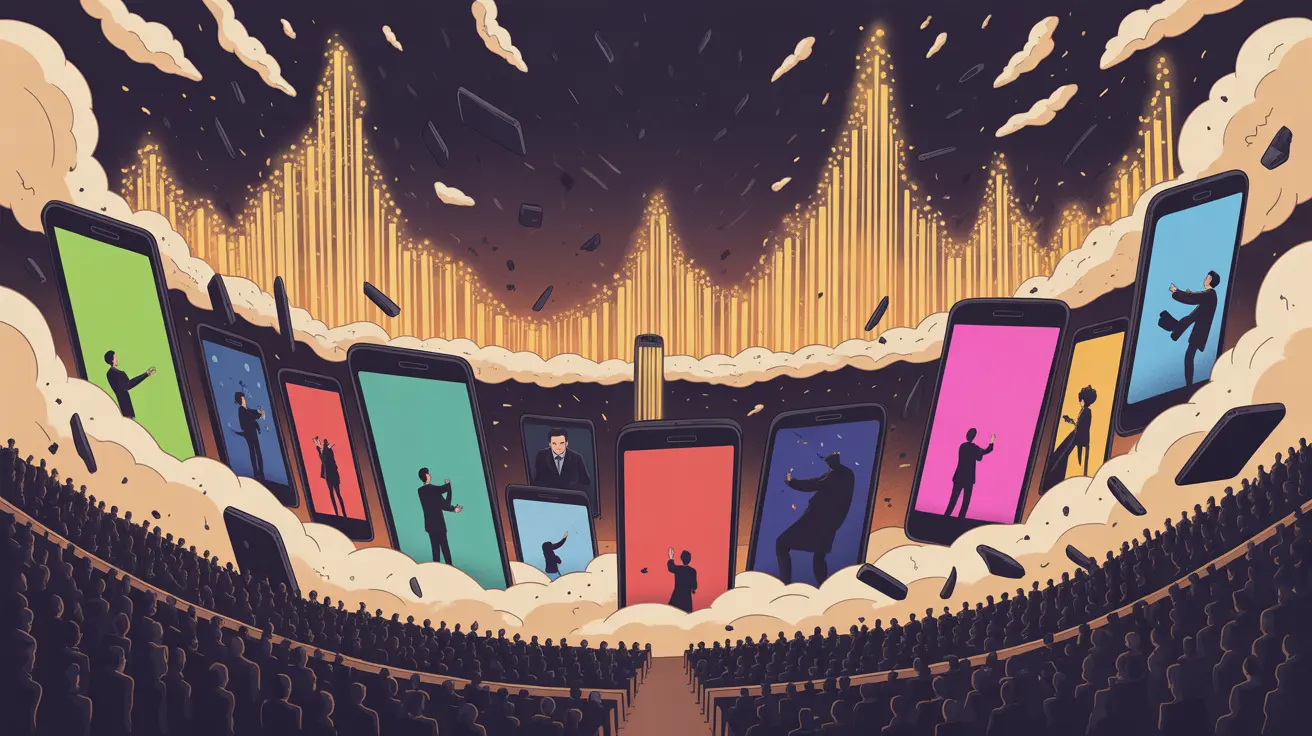
A microdrama is a professionally produced, vertically shot series of 60-to-90-second episodes designed for your phone — and designed to make it very hard to stop watching. Each series runs 60 to 120 episodes. The stories are scripted. Real actors, real crews behind them. The shooting format is vertical, 9:16 — your phone held upright, the way you already hold it.
Genres skew toward emotional intensity: romance, revenge, supernatural thrillers, billionaire fantasies. Every episode ends on a cliffhanger. The business model borrows from mobile gaming, not television. First five to fifteen episodes are free. After that, you buy coins or credits to unlock the rest. Typically $0.50 to $1.00 per episode.
This isn’t niche. Nearly 950 million microdrama app downloads had been logged globally by March 2025. The format has dedicated platforms, its own production pipelines, and an audience that spends more daily screen time on these apps than Netflix manages on mobile.
Not TikTok. Not Netflix. Not YouTube.
If you’re trying to place microdramas in media you already know — stop. The vertical short film format sits in a category that didn’t exist five years ago.
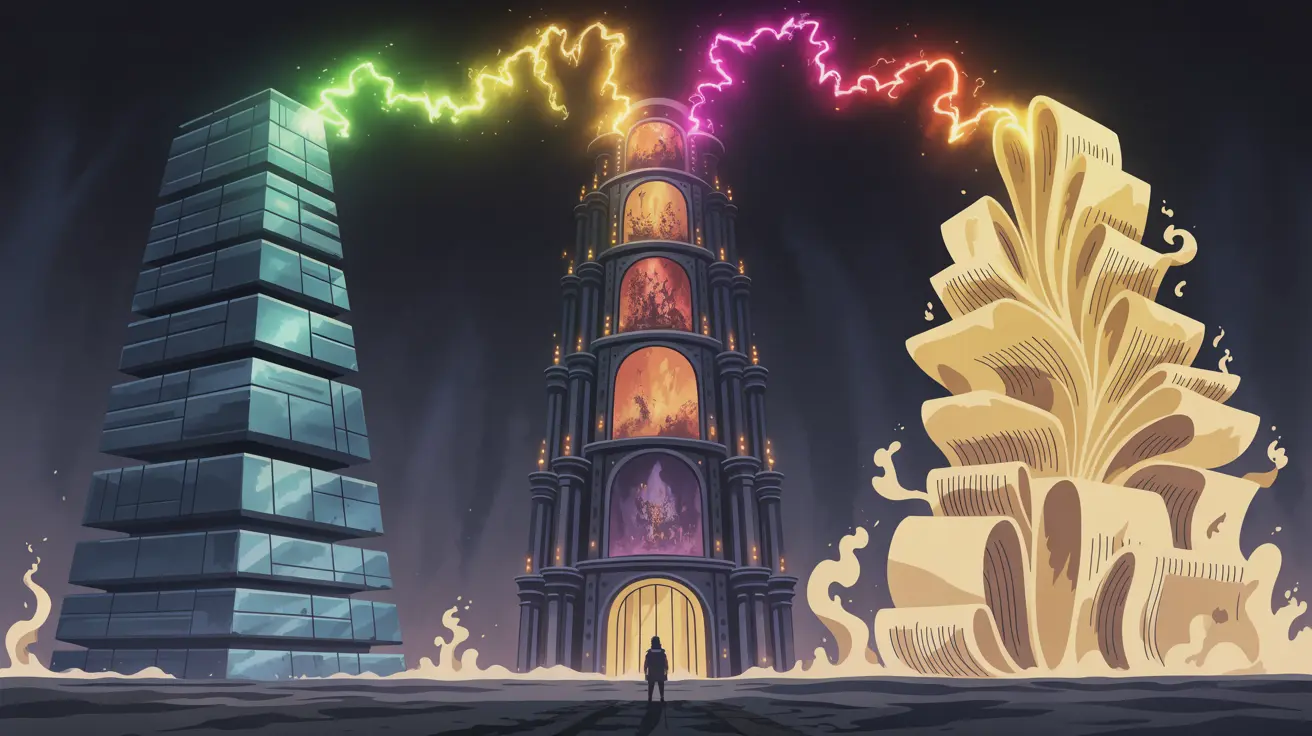
TikTok trained a generation to watch vertical video. But TikTok is user-generated, algorithmically surfaced, built for standalone clips. No serialized narrative. No character arc stretching across a hundred episodes. TikTok is a feed. A microdrama is a story.
Netflix produces scripted, professional work — horizontal format, monthly subscription, 30-to-60-minute episodes. Netflix owns the living room. Microdramas own the commute, the lunch break, the five minutes before sleep. Different screen. Different context. Different model entirely.
YouTube is where 44 percent of microdrama viewers first encounter the format. But YouTube works as a discovery channel, not a home. The monetization happens inside dedicated microdrama apps, not through YouTube’s ad layer.
Simplest version: TikTok trained us to watch vertical video. Microdramas gave vertical video a plot.
The microdrama market size in numbers
China is where this began. Revenues climbed from $500 million in 2021 to $7 billion in 2024. By 2025, Chinese microdrama revenue hit $9.4 billion — surpassing the country’s entire domestic theatrical box office for the first time.
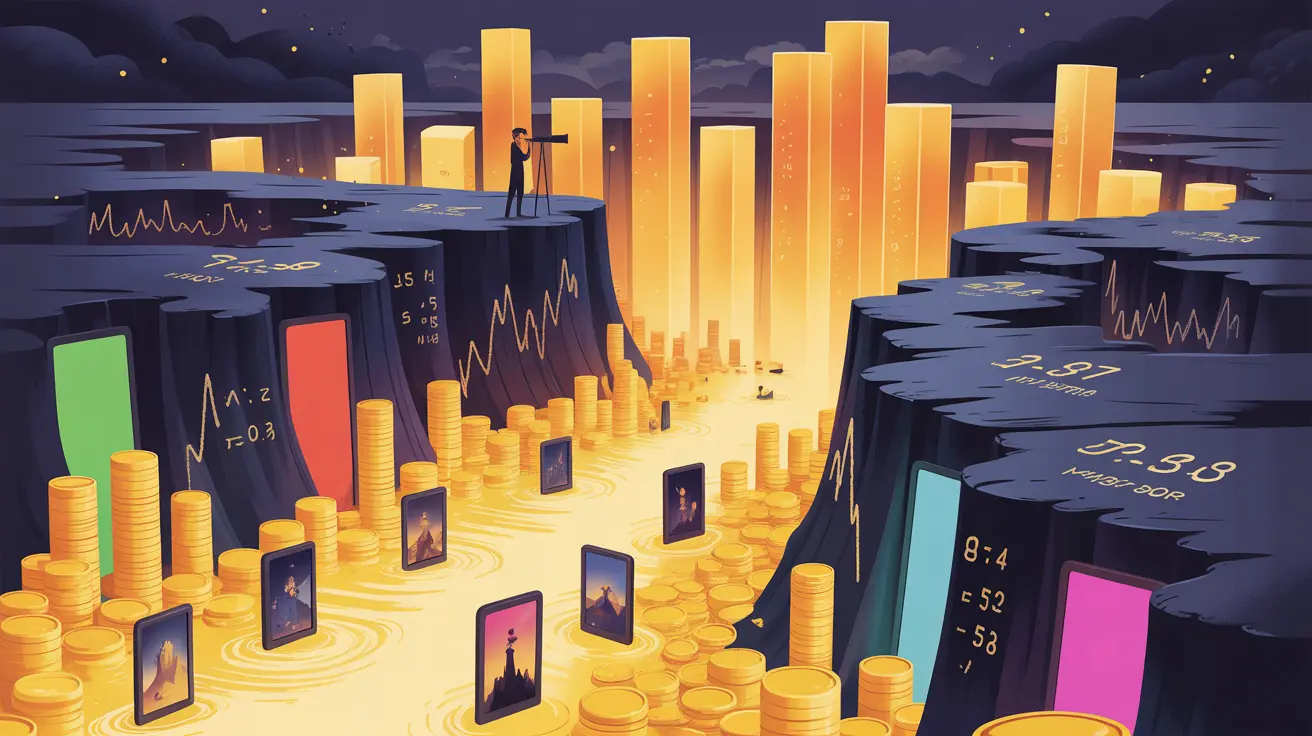
Globally, Omdia pegged the market at $11 billion in 2025. They project $14 billion by end of 2026. Forecasts for 2030 range between $20 billion and $26 billion, depending on whose model you trust. The international market outside China pulled in $1.4 billion in 2024, with the US alone accounting for $819 million — projected to reach $1.5 billion in 2026.
Engagement data is stark. ReelShort users spend 35.7 minutes per day in the app. Netflix mobile users? 24.8 minutes. Prime Video gets 26.9. Disney+ manages 23. The format nobody takes seriously already holds more daily attention per viewer than the world’s largest streamer.
And the growth trajectory is lopsided in a way that should worry traditional platforms. Streaming app downloads grew about 39 percent globally in 2025. Short drama app downloads grew over 100 percent. Traditional streaming downloads fell by more than 4 percent. One side accelerating, the other contracting.
The penny dreadful of our time
Here’s what most analysis of the microdrama boom gets wrong: treating it as unprecedented.
In the 1830s, British publishers started selling serialized fiction for a penny per installment. These “penny dreadfuls” — sensational, cliffhanger-driven, devoured by working-class readers — were dismissed by the literary establishment as garbage. Stories ran to hundreds of installments. They thrived on melodrama, romance, lurid twists.
Sound familiar?
Dickens published The Pickwick Papers as a monthly serial. Dostoevsky serialized Crime and Punishment. Dumas gave readers The Count of Monte Cristo in installments. The serialized format didn’t just produce guilty pleasures. Once the economics were established and the audience was proven, serious writers saw the potential of the form. They followed the money — and the readers.
Microdramas are at their penny dreadful phase. High volume. Low prestige. Massive audience. Production costs run 60 to 80 percent lower than traditional TV. The current crop leans hard into camp — billionaire CEO love stories, revenge fantasies, shocking identity reveals that would make a soap opera blush.
Okay, that comparison has limits. Dickens had more than 90 seconds per installment, for one. But the structural pattern holds. Every storytelling format starts by serving an underserved audience with accessible, emotionally direct work. The masterworks follow — once the form is understood and the talent chases the audience.
Who watches — and who pays?
Women aged 20 to 35. That’s the core. Seventy percent of ReelShort’s users are women. Half of its 55 to 60 million monthly actives live in the US. The draw is emotional immediacy — protagonists who overcome betrayal, uncover hidden identities, find unlikely love, and reach satisfying resolutions in installments you can finish during a bathroom break.
This is also why Quibi died in 2020 while microdramas thrived. Quibi bet on A-list talent and prestige production behind a subscription wall. Microdramas bet on unknown actors, camp premises, and pay-as-you-go pricing. Quibi asked you to commit before you cared. Microdramas get you hooked for free, then charge because you can’t walk away.
The production economics hold up. A microdrama series costs $25,000 to $200,000 to make. DramaBox posted $323 million in revenue and $10 million in net profit for 2024. Actual profitability, in a market that barely existed three years before.
The best microdrama platforms right now
The microdrama app market is concentrated. And moving fast.
ReelShort, run by Crazy Maple Studio out of Silicon Valley, leads on revenue — $130 million in Q1 2025 alone. DramaBox, backed by Chinese parent Dianzhong Technology, competes on sheer downloads. It was the single most-downloaded streaming app globally across several months of 2025. Ahead of Netflix.
Other names worth knowing: NetShort (171 percent quarterly revenue growth in early 2025), Holywater’s My Drama — a Ukrainian operation backed by Fox Entertainment — GoodShort, Kuku TV for Indian regional audiences, and GammaTime, which raised $14 million from Hollywood investors.
Even TikTok launched PineDrama, a standalone microdrama app. When the platform that popularized vertical video builds a separate product for microdramas, you know the format has earned its own lane.
One pattern is hard to miss: the market is overwhelmingly Chinese-owned or Chinese-funded. European entrants barely register. Black Forest Studios in Germany launched recently with 16 series — a start. But a premium, English-language European platform built for the format from scratch? That gap is wide open. It’s part of what Dreamsquare is building — a European VOD platform treating microdrama and vertical short film as a first-class format, not an afterthought grafted onto a legacy streaming service.
Where microdramas go next
Hollywood noticed. Fox invested in Holywater. DramaBox joined the Disney Accelerator. MicroCo plans to launch in 2026 with per-show budgets of $100,000 to $200,000 — an order of magnitude above the earliest Chinese productions.
Budgets are climbing. Talent is entering. The audience arrived a while ago.
The real question isn’t whether microdramas matter. Eleven billion dollars in a single year answered that. The question is whether the format can produce something beyond addictive and profitable — stories that justify the medium on its own artistic terms.
The format is there. The viewers are there. The masterwork? Not yet.
Frequently Asked Questions
What is a microdrama app?
A microdrama app is a dedicated mobile platform for watching short-form, vertically filmed drama series. Apps like ReelShort, DramaBox, and GoodShort host libraries of serialized shows with episodes of 60 to 90 seconds each. Most use a freemium model — early episodes free, later ones unlocked through in-app purchases.
How long is a microdrama episode?
Typically 60 to 90 seconds. A full series of 60 to 120 episodes adds up to one to three hours of total viewing — about the length of a feature film or two, split into installments built around daily mobile habits.
Are microdramas free to watch?
Partly. Most platforms offer the first 5 to 15 episodes free. After that, you buy in-app coins or credits to continue — typically $0.50 to $1.00 per episode. Some platforms also offer subscription tiers or daily free-episode deals.
Stay in the loop
Get notified when we publish new stories about books, storytelling, and the magic of reading.
Stay in the loop
Get notified when we publish new stories about books, storytelling, and the magic of reading.