Abridged vs. Original vs. Modernized: When Shorter Is Actually Better
Sandman
Share this article
Here’s something nobody in the “always read the original” camp wants to admit: most people who buy War and Peace never finish it. Same with Moby-Dick. Same with Les Misérables. You pick it up full of ambition. You put it down around page 200. It collects dust.
An unfinished classic gives you less story than a completed condensed version. Format purity means nothing if you quit halfway.
So when someone asks whether to read the abridged vs original version of a classic, the honest answer isn’t “always go original.” It’s: that depends on who you are, what you need, and — the part people skip — what you’ll actually finish.
When you compare abridged vs original, most articles give you two options and tell you to pick. That’s not enough. There are five distinct reading formats for classic literature, each serving different needs. Understanding the full spectrum helps you make a choice that fits your life — not just your ideals.
There Are Five Formats, Not Two
The abridged vs original debate gets treated like a coin toss. Two options. Pick one. That framing misses the full picture by a wide margin.
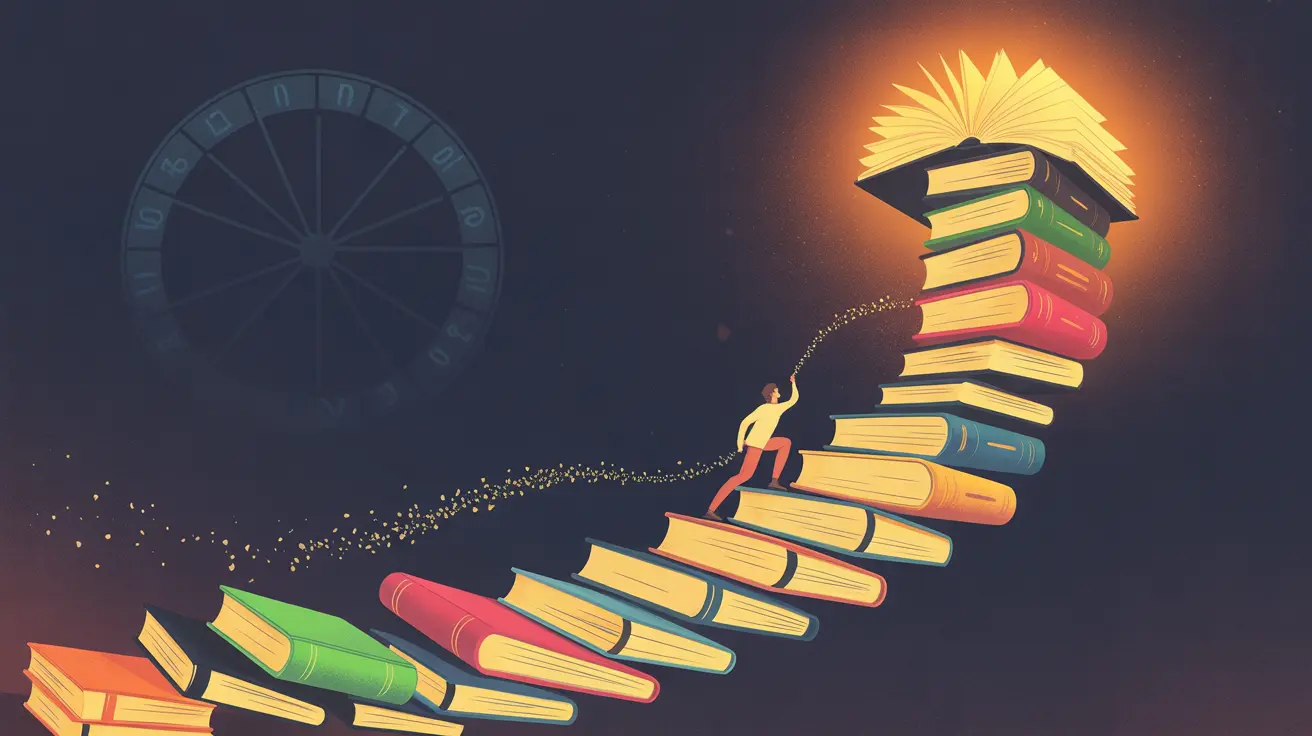
There are at least five distinct ways to experience a classic story. Each serves a different purpose. Think of them on a spectrum, not as a binary:
Original (Unabridged) — The complete text as the author wrote it. Every subplot, every description, every stylistic choice intact. For The Count of Monte Cristo, that’s about 1,200 pages. For Tolstoy, roughly 1,400. You get the full experience. You also need the full calendar.
Modernized — The complete story, fully preserved, with language updated for contemporary readers. No archaic vocabulary. No 19th-century sentences that take three reads to parse. Plot, characters, themes — all identical to the original. The barrier of old language? Gone. Think of it as a translation within the same language. Platforms like Dreamsquare publish modernized classics that keep every scene intact while making the prose feel like it was written this decade.
Abridged — A shortened version. Typically 50–75% of the original length. Editors cut subplots, trim descriptions, sometimes remove secondary characters entirely. Quality varies enormously. Some abridged classics are thoughtful condensations. Others are butcher jobs that gut what made the book worth reading.
Summary — A few pages or a few minutes covering key takeaways and plot points. Blinkist, Shortform, Instaread — that territory. You learn what happened. You don’t experience it. The difference between a book summary vs abridged edition is the difference between a map and a road trip.
Retelling — A new creative work inspired by the original. Sittenfeld’s Eligible puts Pride and Prejudice in modern Cincinnati. Miller’s Circe rebuilds a minor Odyssey character into a full novel. These aren’t shorter versions. They’re entirely new books.
The question isn’t abridged vs original. It’s which format matches how you actually read.
What You Lose — and Gain — at Each Level
Every step away from the original sacrifices something. The question is whether what you gain matters more.
Originals give you everything the author intended. The prose style. The pacing. The digressions that sometimes hold the book’s sharpest insights. If you’re studying literature or you love language as much as story, nothing substitutes. But originals demand the most — time, attention, and sometimes real patience with dense or dated prose.
Modernized editions keep the complete story but update the language. You lose the author’s original word choices, and for some classics, that’s a real loss. Dickens’s prose is part of the experience. But modernized language isn’t dumbed down. It’s the same story without a 200-year-old vocabulary barrier. Every character stays. Every subplot stays. Every scene stays. Only readability changes.
Abridged editions — this is where it gets messy. Traditional abridged classics cut content to save time. The problem is what gets cut. Subplots that seem minor to an editor might carry the book’s emotional core. Secondary characters might embody themes the author considered essential. The Count of Monte Cristo abridged saves you 800 pages. Some of those pages hold the story’s most satisfying payoffs.
And here’s a distinction most people miss: there’s a difference between an abridged edition that slashes content and a condensed version that preserves the full storyline. The first gives you less story. The second gives you the complete story in less time — tighter prose, no tangents, but every plot thread intact. Dreamsquare’s Micro editions are built on this principle: condensed literature, full story. About 25% of the original length, but storyline-complete. No character arcs cut. No subplots dropped.
Summaries strip a book to its skeleton. Good for one thing: deciding whether to invest more time. Want to know if Anna Karenina is worth the commitment? A summary tells you what it’s about. It can’t make you feel what it delivers. That gap is everything.
Retellings are their own art form. Comparing them to originals is like comparing a cover song to the original recording. Different works entirely.
When Shorter Is Actually Better
There are situations where a shorter format genuinely serves you better than the original. And I’ll be more honest about this than most comparison articles.
When the language is the barrier, not the story. You pick up Wuthering Heights and bounce off the 1847 prose. The original isn’t serving you — it’s blocking you. A modernized edition with the complete story in contemporary language puts you back in. You’re not getting a lesser experience. You’re getting the same story through a door you can actually open.
When you want the full story but not the 40-hour time investment. Life is compressed. Only about 48% of American adults read even one book last year. Audiobook revenue hit $1.1 billion in 2024 because people are fitting stories into commutes, gym sessions, and the twenty minutes before sleep. A storyline-complete condensed edition that tightens the prose without cutting the narrative? That’s the difference between finishing the book and abandoning it.
When you’re screening before committing. Reading a summary of Don Quixote before deciding whether to tackle the full 1,000 pages is just practical. Nobody calls it cheating to read a film synopsis before buying a ticket.
Okay, but shorter is not always better — and I’d be dishonest to pretend otherwise. If you’re studying literature, you need the original. If prose style matters to you as much as plot, you need the author’s actual sentences. If you want to understand why a particular writer shaped two centuries of fiction, no condensed version replaces that. Abridged classics and modernized editions are bridges. The right choice for many readers. Not a replacement for scholarship.
The Real Question
The abridged vs original debate has always been about authenticity. Which version is more “real”? Which one counts?
Wrong question.
The right one: which version will you actually finish — and what will you carry away from it?
The best format is the one you finish. A half-read original and a completed condensed edition aren’t comparable at all. One gave you a story. The other gave you guilt.
Reading rates keep falling. Attention is fractured — screen-based focus has dropped to about 43 seconds on average. Stories now compete against infinite scrolling, short-form video, a dozen open tabs. Format flexibility in that environment isn’t about dumbing things down. It’s how classic stories survive.
Some readers will always prefer originals. Good. Some will discover a classic through a condensed books platform and go back for the full text later. Also good. Some will read a modernized edition and feel — rightly — that they experienced the story completely.
The spectrum from original to modernized to abridged to summary exists because readers exist on a spectrum too. Matching the right format to the right reader at the right moment isn’t a compromise. It’s how stories stay alive across generations.
Frequently Asked Questions
What is the difference between a book summary and an abridged edition?
A book summary condenses a work into a brief overview — usually a few pages — covering the main plot points or core ideas. An abridged edition is a shortened but still narrative version that preserves the reading experience while cutting content. The difference: being told what happens versus experiencing a condensed version of it happening. Summaries take minutes. Abridged editions still take hours. Some condensed editions go further, keeping the storyline fully intact — making them closer to the original experience than a traditional abridgement.
Are abridged classics worth reading?
Depends entirely on the quality of the abridgement. A careless cut strips away what made the book great. But a condensed edition that preserves the complete storyline — every character arc, every plot thread — delivers the full story in a fraction of the time. For readers who’d otherwise skip the book entirely, a well-made condensed classic is far more valuable than an unread original collecting dust on a shelf.
Do abridged books keep the full story?
Traditional abridged editions typically don’t. They remove subplots, secondary characters, and descriptive passages — parts of the story are genuinely missing. Some condensed editions, though, are designed to be storyline-complete: cutting only prose that doesn’t advance the narrative while preserving every story thread. The difference between those two approaches is significant. Worth checking what kind of condensation you’re getting before you commit.
Stay in the loop
Get notified when we publish new stories about books, storytelling, and the magic of reading.
Stay in the loop
Get notified when we publish new stories about books, storytelling, and the magic of reading.